Government of Newfoundland and Labrador

Vegetables and Fruits

Left Header Right Header

Welcome to Vegetables and Fruits

Vegetables and fruits are an important part of eating well.

Canada’s Food Guide recommends that Canadians fill half their plate with vegetables and fruits. These foods provide important nutrients for health including vitamins, minerals, and fibre.

Eating vegetables and fruits daily can help to lower your risk of chronic diseases such as heart disease and cancer. Find information on this website to help you eat more vegetables and fruits – fresh, frozen and canned are all good options.

If you are looking for personalized nutrition information, you can speak with a dietitian when you call 811. For more information, please visit Dial-a-Dietitian – 811 HealthLine.

Left Footer Right Footer
Left Header Right Header

Fresh, frozen, and canned

  • Fresh, frozen, and canned vegetables and fruits are all good options
  • Why use frozen and canned vegetables and fruits?
Left Footer Right Footer
Left Header Right Header

Fresh, frozen, and canned vegetables and fruits are all good options

When choosing fresh vegetables and fruits look for local varieties that are in season if possible. Check out the Local vegetables and fruits section for more information.

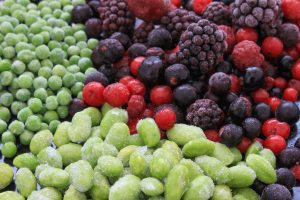
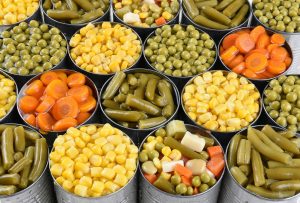
Frozen and canned vegetables and fruits are also good options. They are just as nutritious as fresh vegetables and fruits, are easier to access year round and may cost less.

When choosing frozen look for options without:

  • Added salt (sodium)
  • Added sugars
  • Breading or rich sauces


When choosing canned look for options that have:

  • Little to no added salt (sodium) – you can also drain and rinse canned vegetables to lower the sodium content
  • Little to no added sugars


To see the sodium or sugar content of canned options, use the % daily value (DV) found on the nutrition facts table. The % DV can be used as a guide to show you if the serving of stated size has a little or a lot of sodium or other nutrient.

  • 5% DV or less is a little
  • 15% DV or more is a lot

For more information about nutrition facts tables and % DV check out How to use food labels to make healthier choices – Canada’s Food Guide.

You can also can, bottle or freeze your own vegetables and fruits. Check out the section on how to preserving vegetables and fruits for more details.

Check out Canada’s Food Guide for more information on choosing vegetables and fruits.

Left Footer Right Footer
Left Header Right Header

Why use frozen and canned vegetables and fruits?

Frozen vegetables and fruits:

  • Add variety to your meals and snacks.​
  • Are often available at a lower cost than fresh vegetables and fruits.
  • Have consistent quality year-round.
  • Require little preparation (washing and slicing is already done).
  • Last a long time in your freezer, so you can stock up when they’re on sale.
  • Are frozen at peak ripeness, often making them more nutritious than fresh produce that has travelled to the province and has been sitting in the display case.
  • Are available in large quantities, which can cost less per serving than smaller packages.
  • Let you take out only what you need and return the rest to the freezer.

Canned vegetables and fruits:

  • ​Add variety to your meals and snacks.
  • Are often available at a lower cost than fresh or frozen vegetables and fruits.
  • Have consistent quality year-round.
  • Require little preparation – simply open the can and heat up vegetables in minutes.
  • Are non-perishable (last a long time on the shelf) so you can stock up when they are on sale.
Left Footer Right Footer
Left Header Right Header

Affordability

  • Affordable ways to eat vegetables and fruits
  • Food Security
Left Footer Right Footer
Left Header Right Header

Affordable ways to eat vegetables and fruits

  • Buy frozen and canned vegetables and fruits.
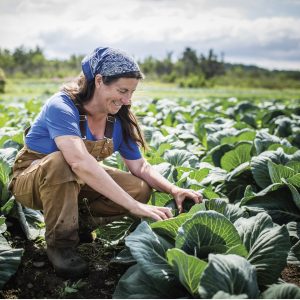
    • These options are often lower cost than fresh.A picture of a smiling person dressed in overalls farming in a field of cabbages.
  • Buy store brands of frozen and canned vegetables and fruits.
    • These options are often lower cost than name brand products.
  • Buy local fresh vegetables when in season as they may be lower cost.
    • Check out the Local vegetables and fruits section for more information.
  • Use whole vegetables (such as a bag of carrots) and peel and chop them yourself, instead of buying them pre-chopped.
  • Store vegetables and fruits properly to prevent spoilage.
    • Check out the Vegetables and fruits storage section for more information.
  • Preserve fresh vegetables and fruits before they spoil to reduce food waste.
    • Check out the How to preserve vegetables and fruits section for more information.
  • Make stock or broth with extra vegetables or scraps.
  • Pick berries and freeze them to use year-round.
    • This can be a fun outdoor activity with friends or family.
  • Grow your own vegetables and fruits in a backyard garden or community garden.
    • Check out the Community gardens section for more information on how to get involved.
  • Make a grocery list based on what you already have on hand.
  • Look for sales. Check out flyers, emails, websites, mobile apps and social media.

For more cost saving and shopping tips, check out Affordable Healthy Eating

Left Footer Right Footer
Left Header Right Header

Food security

Food security exists when all people at all times have physical and economic access to adequate amounts of nutritious, safe, and culturally appropriate food to maintain a healthy and active life.

There are many reasons why it may be hard to eat vegetables and fruits, including cost and accessibility. Some people do not have access to grocery stores in their communities, or cannot afford these foods. Remember that fresh, frozen and canned vegetables and fruits are all good options.

If you need support to access food or information on local food programs in your community, please call or visit 211.

Left Footer Right Footer
Left Header Right Header

How to include more vegetables and fruits

  • Adding more vegetables and fruits to your meals and snacks
  • Time saving tips
  • What if you do not like vegetables and fruits
Left Footer Right Footer
Left Header Right Header

Adding vegetables and fruits to your meals and snacks

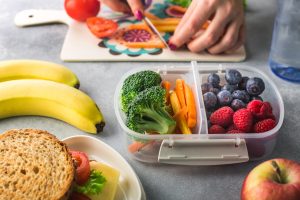
A picture of someone packing a lunch - cutting up raw peppers and tomatoes and putting them into a container along with raw broccoli and berries. Also pictured is a sandwich on whole grain bread, an apple and banana with a bottle of water.

Enjoy vegetables and fruits with every meal and snack! Remember they can be fresh, frozen or canned.

Health Canada recommends eating dark green vegetables every day and orange vegetables a few times a week.

Examples of dark green vegetables can include fresh, frozen or canned:

  • dark leafy greens (e.g., romaine lettuce, kale, spinach)
  • broccoli
  • green peas
  • green beans
  • green peppers
  • turnip greens
  • Brussels sprouts

Examples of orange vegetables can include fresh, frozen or canned:

  • carrots
  • sweet potato
  • orange or red peppers
  • pumpkin
  • butternut squash

Some orange coloured fruits can be substituted for an orange vegetable:

  • cantaloupe
  • mango
  • nectarine
  • peach

Think about the meals and snacks you already make and how you can add more vegetables or fruits. For example, you can add:

  • onions, peppers, and canned mushrooms to spaghetti sauce or have a tossed salad on the side;
  • sliced banana or fresh or frozen berries to hot or cold cereals;
  • lettuce, tomato, peppers, avocado, or cucumber to sandwiches and wraps or have sliced vegetables on the side;
  • frozen spinach to a lasagna;
  • leftover vegetables to soups, salads, or casseroles;
  • frozen or canned vegetables to rice or pasta;
  • fruit to pancakes or waffles or have as a side dish with your breakfast;
  • frozen fruit or vegetables to yogurt or smoothies;
  • frozen broccoli or green peas to macaroni and cheese; or,
  • chopped vegetables to your egg to make an omelet.

For more meal and snack ideas please visit the Recipes section!

Left Footer Right Footer
Left Header Right Header

Time saving tips

Some advance planning can help you include more vegetables and fruits at meals and snacks.

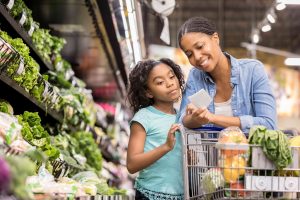
  • A picture of a parent and child grocery shopping. They are in the produce section with many vegetables pictured. They are reading a grocery list.Make a weekly meal plan.
    • Involve the whole family or others in your household in deciding what to eat for the upcoming week, including vegetables and fruits. Then you can plan your shopping and have them on hand for every meal.
  • Wash and chop vegetables ahead of time for tomorrow night’s dinner and store in a closed container in your refrigerator.
  • Pre-peel oranges or pre-cut apple slices (add a little lemon juice to apple slices to slow them from turning brown) or carrot sticks and have them handy in the refrigerator for snacks throughout the day.
  • Make a smoothie with both vegetables and fruits the night before. Store it in the refrigerator to have ready in the morning.
    • Try using spinach, frozen berries, milk, and yogurt to make a smoothie.
  • Make large batches of soups or stews with canned vegetables like peas and carrots. Freeze the leftover soup or stew for meals later on.
  • Cook extra supper to have leftovers the next day or to freeze.
  • Add thawed frozen fruit such as berries to yogurt for a snack.
  • Heat a can of peas or corn and add them to your meal. This requires minimal preparation.
  • Pack fruits that have their own “packaging” and need minimal preparation for snacks, like bananas and apples.

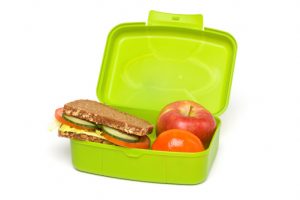
A picture of a container with a sandwich on whole grain bread with meat and vegetables, along with a peach and an apple.


Left Footer Right Footer
Left Header Right Header

What if you do not like vegetables and fruits

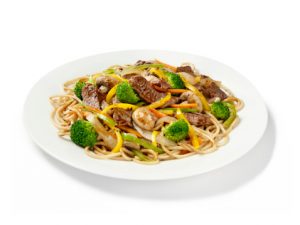
A picture of a plate of stir fry containing meat, broccoli, mushrooms and wholegrain noodles.

For some people taste or texture is an issue when it comes to eating vegetables and fruits.

Here are some ideas to try to help you enjoy them more often:

  • Start to introduce vegetables and fruits in your meals and snacks by pairing them with foods you already enjoy.
  • Add extra flavour to vegetables with a little olive oil, balsamic vinegar, a squeeze of lemon, garlic or other seasonings like herbs and spices.
  • Try making a stir-fry with frozen mixed vegetables, and you can add seasonings or a homemade sauce. The short cooking time makes a crisper vegetable dish, which may be more appealing to you if you don’t like softer vegetables.
  • Try eating vegetables and fruits in a smoothie or smoothie bowl. You can combine fresh or frozen vegetables and fruits, yogurt, and milk or water in a blender for a refreshing snack. To make a smoothie bowl, pour the blended frozen vegetables and fruits, yogurt, and milk or water in a bowl and top with fruit, seeds, or nut butter.
  • Try thinly slicing root vegetables (e.g., beets, sweet potatoes, parsnips, or turnip), toss them in oil and bake them in the oven or in the air fryer to make chips to have as a snack or side dish.

You can also use herbs and spices to add zest to fresh, frozen and canned vegetables. Below are some examples of what you can add to boost flavour:

  • Asparagus: caraway seed
  • Green beans: nutmeg
  • Broccoli: oregano
  • Cabbage: mustard, caraway seed
  • Carrots: allspice, ginger, cloves
  • Cauliflower: nutmeg, celery seed
  • Peas: mint
  • Potatoes: parsley, chives
  • Squash: ginger, basil, oregano
  • Tomatoes: basil, oregano, sage, thyme
Left Footer Right Footer
Left Header Right Header

Food safety

  • Food safety for vegetables and fruits
  • Best before vs. Expiry dates
Left Footer Right Footer
Left Header Right Header

Food safety for vegetables and fruits

A picture of hands being washed with soap.

It is important to follow food safety tips to help keep your food safe to eat and keep yourself and your family safe. Remember to check, clean, rinse, separate, and chill.

Check

  • Inspect your fresh vegetables and fruits for bruising or damage.
  • Inspect your frozen and canned vegetables and fruits to make sure the packaging is not damaged or open.
  • If you purchase fresh vegetables and fruits that are bruised, they are still safe to eat if you eat them right away.
  • When choosing pre-cut vegetables and fruits like packaged salads and sliced melons, check that the product is refrigerated or on ice.

Clean

  • Wash hands with warm water and soap for at least 20 seconds before and after handling fresh vegetables and fruits.
  • Clean all surfaces and utensils with hot water and soap, including cutting boards and knives, before and after preparing fresh vegetables and fruits.

Rinse

  • Just before use, rinse under running water only the vegetables and fruits you plan to eat, including those with skins or rinds that are not eaten such as bananas and oranges.
  • Firm-skinned vegetables and fruits such as cucumbers, peppers, or potatoes should be rubbed by hand or scrubbed with a clean brush while rinsing under running tap water.
  • Packaged vegetables and fruits labeled “ready-to-eat,” “washed” or “triple washed” do not need to be washed.
  • Dry vegetables and fruits with a clean cloth or paper towel.
  • Do not use soap or bleach to wash fresh vegetables or fruits. These products are not intended for consumption.

Separate

  • In your shopping cart and in bags at the checkout, separate fresh vegetables and fruits from household chemicals and raw meat, poultry, seafood and eggs.
  • In your refrigerator, keep fresh vegetables and fruits separate from raw meat, poultry, seafood and eggs.
  • When preparing food, keep fresh vegetables and fruits separate from raw meat, poultry seafood, and eggs. Do not use the same cutting board or utensils without cleaning with hot water and soap before and after preparing fresh vegetables and fruits.

Chill

  • When shopping, choose items from the refrigerated and frozen sections last to limit the time they are not kept cold.
  • Keep your refrigerator at or below 40°F (4°C).
  • Refrigerate all cut, peeled or cooked fresh vegetables and fruits within two hours of preparing.
Left Footer Right Footer
Left Header Right Header

Best before VS. Expiry dates

Did you know there is a difference between a “best before” date and an “expiry” date found on food packaging?

Best before dates refer to quality, not safety of food. Expiry dates refer to quality and safety of food. This means that food is often safe to eat after the best before date has passed. It is important to examine food before eating it to make sure it is safe.

Do not eat any food that:

  • Has mold or looks different than normal.
  • Smells or tastes bad.
  • Has not been stored properly.
  • Is from a swollen or dented can.
  • Is from a container on which the vacuum seal has been broken (for example, you open a jar and it doesn’t ‘pop’).

There may not be an expiry date on canned or frozen vegetables and fruits.

Frozen vegetables and fruits are safe to eat indefinitely (as long as they have been kept frozen), but the quality of the food may be reduced once the best before date has passed.

Canned tomatoes or fruit that are high in acid should be used within 18 months. Canned products are low in acid such as vegetables have a self-life of 2 to 5 years. For more information please visit: Everything You Need to Know About the Food Safety of Canned Foods.

Check out this resource on Best Before versus Expiry Dates from the Government of Nunavut to find out more.

For more food safety tips for at home and at the grocery store, visit: Food safety tips – interactive guide (canada.ca).

For more general food safety information, please visit: Food Safety Information – Health and Community Services (gov.nl.ca).

Left Footer Right Footer
Left Header Right Header

Storage

  • Vegetables and fruits storage
  • How to preserve vegetables and fruits
  • Tips to reduce waste
Left Footer Right Footer
Left Header Right Header

Vegetables and fruits storage

The best place to store your vegetables and fruits depends on the type. Some are best stored on the counter, in a cool dark place, and others in the refrigerator or freezer.

On the counter (at room temperature):

  • Plums, peaches, and mangoes can ripen at room temperature and then be stored in the refrigerator.
  • Whole pineapples and melons can be stored at room temperature before it is cut. After it is cut it should be stored in the refrigerator. Cut pineapple and melon will last for 3 to 7 days in the refrigerator.
  • Bananas will ripen on the counter. If possible, buy bananas at different stages of ripening so you have some ready to eat at different times.
  • Tomatoes can be stored on the counter. If you aren’t able to use them up, try chopping and freezing them to use later in stew, soup or tomato sauce.

In the cupboard (or other cool, dark, dry and ventilated space):

  • Keep potatoes, winter squash, sweet potato, yam, turnip, onions, and garlic in a cool, dry area, not in the refrigerator.
    • Potatoes will last for about 6 months.
    • Winter squash and turnip will last for several months.
    • Sweet potato and yam will last for about 1 month.
    • Onion will last for about 6 weeks in in a mesh bag, paper bag or a bag with holes.
    • Garlic will last for a month or more.
  • Mushrooms should be stored in a cool, dry place in a brown paper bag and should only be washed just before use.
  • Eggplant should be stored in a cool area and used within a few days of purchase.

In the refrigerator:

Try to store vegetables separately from fruits in different parts of your refrigerator to help keep vegetables fresh. Many fruits have a natural compound called ethylene, which can help them ripen but will cause vegetables to wilt and spoil faster. Vegetables and fruits will also stay fresh longer if they are loosely packed.

Most vegetables and fruits can be stored in the refrigerator. Here are some specifics:

  • Vegetables like lettuce, broccoli, cauliflower, cabbage, leafy greens like spinach, chard and kale, cucumbers, and peppers can be stored in a crisper drawer in the refrigerator. Fresh heads of lettuce should be washed really well with water before refrigerating. Dry the leaves and store them in a clean plastic bag with a few paper towels.
  • Apples should be stored loosely or in a bag with holes in the refrigerator.
  • Asparagus should be stored in the refrigerator wrapped with a moist paper towel or you can stand them up in a glass of cold water.
  • Store carrots in the refrigerator and peel them when you’re ready to use them. They will last for several weeks.
  • Store grapes, cherries, strawberries, blueberries, and other berries in the refrigerator and wash gently before eating or using. Store these loosely covered and if possible, store berries loosely in shallow containers to prevent crushing. If you have too many berries, rinse them and put in the freezer before they go bad.
  • Oranges, lemons, limes and tangerines should be stored in the refrigerator in a loose, open bag.
  • Rhubarb should be wrapped in plastic and stored in the refrigerator, but it also freezes well.

In the freezer:

Freezing fruits at home is a fast and convenient way to preserve produce at their peak ripeness and nutritional quality. Freezing most vegetables at home is a fast, convenient way to preserve produce at their peak maturity and nutritional quality. Freezing is not recommended for artichokes, eggplant, lettuce greens, potatoes (other than mashed), radishes, sprouts and sweet potatoes.

For more tips on freezing vegetables, check out the How to preserve vegetables and fruits section.

Things to remember:

  • Plastic bags with tiny vents help keep produce fresh longer by releasing moisture.
  • Fruit kept in a loose bag will keep for a few days to a week like this.
  • If you cut fruit, cover it, put it back in the fridge and use it within one or two days.
  • Vegetables and fruits will spoil at different times depending on how mature or ripe they are when you get them.
  • Inspect your vegetables and fruits before throwing them away if their estimated shelf-life has passed.
    • Just because your tomatoes have been on the counter for a week does not mean they have gone bad.
Left Footer Right Footer
Left Header Right Header

How to preserve vegetables and fruits

Preserving vegetables and fruits is a great way to prolong their life and extend the use of seasonal produce all year round. For information on when fresh vegetables and fruits are harvested in our province, see the Harvest Chart.

Canning and bottling are long standing traditions in Newfoundland and Labrador and can help increase access to vegetables and fruits in the colder seasons. For information on canning and bottling foods safely, visit Home Canning: Getting Started.

Freezing vegetables and fruits will also help you have access to seasonal items throughout the year. To learn more about freezing these foods safely, visit Ice Ice Veggies — Food First NL.

Left Footer Right Footer
Left Header Right Header

Tips to reduce waste

To reduce the amount of vegetables and fruits that may be going to waste:

  • Plan meals and snacks for the week around the vegetables and fruits you have on hand.
  • Buy only what your family will eat within a week to prevent waste.
  • Store vegetables and fruits properly to delay spoilage.
    • Check out the Vegetables and fruits storage and How to preserve vegetables and fruits sections for more information.
  • Do not wash produce (except leafy greens) before storing since it will make them go bad faster.
  • First in, first out! Use older produce that you have been storing before you use new produce.
  • Freeze extra vegetables and fruits.
    • For example, freeze overripe bananas to use in smoothies or to make banana muffins or bread.
  • Make stock or broth with extra vegetables or scraps.
  • Compost vegetable and fruit scraps to create a nutrient-rich fertilizer for your garden.
    • If you don’t have a garden or the space, check if there is a community compost program in your community.
  • Try using reusable containers to store your vegetables and fruits.
Left Footer Right Footer
Left Header Right Header

Traditional and cultural food practices

Enjoying traditional and cultural foods is part of healthy eating. Food has always been a big part of the culture in Newfoundland and Labrador (NL). Although it is common to think of wild game meat and fish as traditional foods here, root vegetables are also staple foods.

Next time you are cooking moose or fish, think about the vegetable side dishes you have on hand to add extra flavour, variety, and colour to your meal. There are lots of ways to enjoy traditional meals with added vegetables you may not consider such as squash, asparagus, green peas, brussels sprouts, broccoli, cauliflower, or corn.

Cold plates are another common NL meal. Cold plates come with different cold salads, such as potato or macaroni and other delicious items. Next time you have a cold plate, try adding other vegetables such as a carrot coleslaw or a broccoli salad.

NL has a rich food culture that includes fishing, hunting, gardening, foraging and preserving foods. It is important to preserve and expand on this traditional food knowledge for future generations. Check out these videos from Food First NL on seniors’ traditional food knowledge.

It is important to give young people the opportunity to learn traditional foodways so the knowledge is not lost. Involving children and youth in traditional food activities and meal preparation is a great way to make memories and enjoy the social aspects of food. Passing knowledge to future generations can happen in many ways, such as:

  • Hands on experiences like helping in the kitchen to prepare meals (e.g., washing, peeling, chopping vegetables) or learning to preserve food (e.g., bottling/canning, freezing).
  • Activities like berry picking , where they can be engaged in learning where and how to pick the berries, and then how to store them or prepare a meal or snack with them.
  • Creating a family recipe book together.
  • Storytelling – Young people can listen to stories about foods when they are helping to prepare them, or while they are eating the foods or engaged in other food activities. Listening to stories related to traditional foods is also a great way for children and youth to make connections to the meals, recipes, and activities to which they have been exposed.

Left Footer Right Footer
Left Header Right Header

Local vegetables and fruits

  • Local vegetables and fruits in season
  • Community Gardens
Left Footer Right Footer
Left Header Right Header

Local vegetables and fruits in season

A picture of a young child in a patch of wild blueberries. They are using a container to pick the berries.

When choosing vegetables and fruits, think about those grown in Newfoundland and Labrador. Growing vegetables and fruits, picking berries and foraging are important food traditions in our province. For information on what time of year vegetables and fruits are available, check out Newfoundland and Labrador’s Harvest Chart.

When you eat foods in season they are at their peak for taste, freshness and nutrition. They are also usually more available and affordable. Enjoying these foods in season is a great way to eat more vegetables and fruit.

You can also extend the season for locally grown vegetables and fruit by preserving them to enjoy year round. For some tips, visit How to preserve vegetables and fruits.

For more information on why it is important to buy local, check out the information from the Newfoundland and Labrador Farm Guide.

Interested in buying local vegetables and fruits? Check out the Farm Guide for your region.

Left Footer Right Footer
Left Header Right Header

Community gardens

Community gardens promote food self-sufficiency, access to fresh foods, consumption of vegetables and fruits, and awareness and appreciation of local food production. Community gardens help bring together people in a community and can provide an outdoor activity for the whole family.

Check out the Local Programs Map to find out where all the community gardens in the province are located.

Did you know there is a Community Garden Support Program? This program exists to establish new community gardens and enhance existing community gardens.

You can also check out the Active NL fund, which provides funding to not-for-profit organizations, communities and schools to support healthy living initiatives. This program can also provide funding for community gardens and other community food initiatives.

There are six Regional Wellness Coalitions in the province that also provide grants to support groups and organizations in creating projects like community gardens.

Left Footer Right Footer
Left Header Right Header

Recipes

  • Carrot and Raisin Salad
  • Baked Brussels sprouts
  • Roasted Root Vegetables
  • Vegetable Omelette
  • Foil Pack Herb Baked Chicken and Vegetables
  • Salmon and Vegetable foil pack dinner
  • Moose Stir-Fry
  • Fish in a Dish
  • Veggie Chili
Left Footer Right Footer
Left Header Right Header

Fruit Smoothie

Makes two servings

Amount (imperial) Ingredients Amount (metric)
1 cup
½ cup
½
¼ cup
Frozen berries (any kind, try traditional NL berries)
Milk
Banana
Yogurt
250 mL
125 mL
½
63 mL

Directions:

  1. Mix all ingredients together in a blender.
  2. Pour into cups and serve.


Left Footer Right Footer
Left Header Right Header

Carrot and Raisin Salad

Makes four to six, ½ cup servings

Amount (imperial) Ingredients Amount (metric)
4
2
1
1 tbsp
½ cup
½ cup
½ cup
1 tbsp
Carrots, grated
Apples, chopped
Stalk celery, chopped
Lemon juice
Raisins
Plain or vanilla yogurt
Chopped walnuts
Ground cinnamon
4
2
1
15 mL
125 mL
125 mL
125 mL
15 mL

Directions:

  1. Stir the carrots, apples, celery, lemon juice, raisins, yogurt, walnuts and cinnamon together in a mixing bowl until blended.
  2. Refrigerate 1 hour before serving.


Left Footer Right Footer
Left Header Right Header

Baked Brussels sprouts

Makes four, ½ cup servings

Amount (imperial) Ingredients Amount (metric)
2 cups
2 tbsp
2 tbsp
Dash
Fresh or frozen Brussel sprouts
Oil (olive or canola)
Sodium free herb/spice seasoning such as Mr. Dash or a mixture of any spices
Pepper
500 mL
30 mL
30 mL
Dash

Directions:

  1. Partially thaw/cook Brussel sprouts in microwave (cook 2 minutes on high).
  2. Place Brussels sprouts in a bowl or bag and toss with oil and seasonings.
  3. Place on greased (or parchment paper lined) baking sheet
  4. Bake in preheated oven at 400 degree F for approx. 10 minutes.

This can also be cooked in an air fryer.

Left Footer Right Footer
Left Header Right Header

Roasted Root Vegetables

Makes vegetables to serve as a side for about four people

Amount (imperial) Ingredients Amount (metric)
4
1
4
1
1
1-2 tsp
1 tsp
¼ tsp
Dash
1 tbsp
Carrots, peeled and cut in large chunks (cut on a diagonal is best)
Small turnip or ½ large, peeled and cut in large chunks (cut on a diagonal is best)
Medium potatoes, scrubbed and cut in large chunks
Parsnip, peeled and cut in large chunks (cut on a diagonal is best)
Medium onion, peeled and halved then each half can be cut into quarters
Garlic (powder or fresh), to taste
Dried rosemary
Dried thyme
Pepper, to taste
Oil (canola or olive)
4
1
4
1
1
5-10 mL
5 mL
1.25 mL
Dash
15 mL

Directions:

  1. Preheat the oven to 400 degrees F.
  2. Put all vegetables (pieces should be all around the same size), spices and herbs in a large baking dish, drizzle with oil, and toss them with your hands to coat them evenly.
  3. Put the baking dish in the preheated oven (or pour out onto a parchment paper lined baking sheet) and cook, stirring the vegetables occasionally, until they are tender and golden brown, about 45 minutes.

Try roasting any other vegetables you enjoy. Beet, Brussels sprouts or sweet potato work well.

Left Footer Right Footer
Left Header Right Header

Vegetable Omelette

Makes one large omelette, serves two

Amount (imperial) Ingredients Amount (metric)
4
1 tbsp
¼ tsp
1 tsp
1 cup

¼ cup

Eggs
Milk
Pepper
Oil, canola or olive
Cooked vegetables such as peppers, onion, tomato, mushrooms, spinach etc. or use a mix of frozen vegetables (thawed)
Cheese, shredded
4
15 mL
1.25 mL
5 mL
250 mL

63 mL

Directions:

  1. In a bowl, beat together eggs, milk and pepper with a fork.
  2. In a 12-inch nonstick skillet, heat 1 tsp oil over medium-high heat. Pour in egg mixture.
  3. As eggs begin to set at edges, use a spatula to gently push cooked portions to the center, tilting skillet to allow uncooked egg to flow into empty spaces.
  4. When almost set on surface but still moist, fill half of omelet with the vegetables and sprinkle with the cheese. Slip spatula under unfilled side, fold over filling. Cut in half and slide onto serving plates.
Left Footer Right Footer
Left Header Right Header

Herb Baked Chicken and Vegetable Foil Pack Dinner

Makes 1 serving.

Amount (imperial) Ingredients Amount (metric)
1
1
1 cup
1 tbsp
¼ tsp
¼ tsp
¼ tsp
2 dashes
½ tsp
Boneless, skinless chicken breast
Medium peeled potato, washed and cut into 6 pieces
Frozen vegetables (any mix you like)
Oil (olive or canola)
Dried rosemary (or 1 tsp of fresh chopped)
Dried oregano (or 1 tsp of fresh chopped)
Dried thyme (or 1 tsp of fresh chopped)
Ground black pepper to taste
Minced garlic (or ¼ tsp garlic powder)
Cooking spray, oil, or margarine to grease foil wrap
1
1
250 mL
15 mL
1 mL
1 mL
1 mL
2 dashes
2.5 mL

Directions:

  1. Preheat oven to 425 degrees Fahrenheit.
  2. Tear off piece of foil wrap approx. 18 inches long and coat well with cooking spray (or oil or margarine) so the food does not stick on and set aside.
  3. Mix olive oil, herbs, pepper and garlic together in a bowl (or plastic bag).
  4. Add potatoes and chicken to the bowl or bag and coat well with the herb mixture.
  5. Pour mixture from bowl onto foil wrap. Add the frozen vegetables.
  6. Fold wrap to make a sealed packet. Make sure the edges are tight so it doesn’t leak.
  7. Place the packet on a cookie sheet.
  8. Bake in oven for 40-45 minutes.
  9. Check internal temperature of chicken to ensure it is 165 degrees Fahrenheit or 74 degrees Celsius.
  10. Pour out of the foil pack onto a plate and enjoy.

Try different seasoning blends for variations on flavour or try premade blends without salt, such as Mrs. Dash.

Left Footer Right Footer
Left Header Right Header

Salmon and Vegetable Foil Pack Dinner

Makes 2 servings.

Amount (imperial) Ingredients Amount (metric)
2
2 tbsp
¼ cup
1 cup
1 cup
½ cup
½
Salmon fillets
Cream cheese
Italian salad dressing
Broccoli florets
Cauliflower
Mixed sliced peppers fresh or frozen (any color)
Medium onion, chopped
Cooking spray, oil or margarine to grease the foil.
2
30 mL
63 mL
250 mL
250 mL
125 mL
½

Directions:

  1. Preheat the oven to 400 degrees F.
  2. Tear off piece of foil wrap approx. 18 inches long and coat well with cooking spray (or oil or margarine) so the food does not stick on.
  3. Place 2 salmon fillets on the sheet of foil.
  4. Spread 1 tbsp of cream cheese on each piece of salmon.
  5. Place broccoli, cauliflower, peppers and onion over the salmon.
  6. Pour the Italian dressing over the entire mixture and wrap foil to make a sealed packet. You may want to add a second layer of foil to avoid leaks in the oven. Place the foil packet on a baking sheet.
  7. Bake until the salmon is just cooked through, about 25 minutes.

You can also cook this on a BBQ – use low heat so the foil packs do not burn.

Experiment with different vegetable blends for this recipe, e.g. try California blend frozen vegetables or any frozen vegetables blends you enjoy.

Left Footer Right Footer
Left Header Right Header

Moose Stir-Fry

Makes 4 servings.

Amount (imperial) Ingredients Amount (metric)
1 lb
2 tbsp
2 tbsp
1 tbsp
1 tbsp
¾ cup
¼ tsp
¼ tsp
¼ cup
1 cup
1 cup
2 cups
Moose meat, sliced in strips
Soya sauce, low sodium variety if available
Brown sugar
Oil (canola or olive)
Cornstarch
Water, divided
Garlic powder
Ground ginger
Canned pineapple, tidbits or, crushed
Onion, chopped
Peppers, any color, sliced in strips
Broccoli, fresh or frozen, cut into bite sized pieces
454g
30 mL
30 mL
15 mL
15 mL
188 mL
1 mL
1 mL
63 mL
250 mL
250 mL
500 mL

Directions:

  1. In a large bowl, combine soya sauce, brown sugar, 1 tsp of the oil, cornstarch, ¼ cup of the water, garlic powder, ground ginger, canned pineapple and chopped onion.
  2. Stir in the moose meat slices, cover, and marinate in refrigerator for several hours.
  3. In a wok or non-stick pan, heat the remaining 2 tsp oil, add the meat mixture and stir-fry for 5 minutes or until meat is cooked. Remove meat from pan.
  4. Add peppers and broccoli and stir-fry for 2-3 minutes.
  5. Return meat to pan. Add the ½ cup water, cover, and cook until vegetables are tender-crisp.

Serve with brown rice.

For variety, try using other vegetables such as celery, carrots, cabbage or mushrooms.

Left Footer Right Footer
Left Header Right Header

Fish in a Dish

Makes 4 servings.

Amount (imperial) Ingredients Amount (metric)
1 lb
1
1 cup
2 cups
4
2 tsp
4 tsp
¼ tsp
¼ tsp
Fish fillet, fresh or frozen
Onion, sliced
Cheese, grated
Carrots, thinly sliced
Potatoes, thinly sliced
Soft tub margarine
Lemon juice
Dried parsley
Ground pepper
Cooking spray, oil, or margarine to grease the dish
454g
1
250 mL
500 mL
4
10 mL
20 mL
1 mL
1 mL

Directions:

  1. Preheat oven to 400oF (200oC).
  2. Lightly grease a 2.8 L casserole dish.
  3. Cut fish into four equal servings. Place fish in the centre of casserole dish.
  4. Spread onions evenly over the fish and cover with cheese.
  5. Arrange potatoes and carrots around fish. Dot margarine over vegetables.
  6. Sprinkle with lemon juice, parsley and pepper. Cover casserole.
  7. Bake at 400oF (200oC) for 40-45 minutes or until fish is cooked and potatoes are tender.
Left Footer Right Footer
Left Header Right Header

Veggie Chili

Makes 4-6 servings.

Amount (imperial) Ingredients Amount (metric)
2 tbsp
1
1
2 tsp
2
1
1
½ tsp
4 tsp
1 tbsp
1
1
1
Oil (canola or olive)
Onion, chopped
Medium pepper, chopped or 1 cup frozen diced peppers
Garlic cloves, fresh or minced (optional)
Large cans tomatoes (stewed with herbs is best)
Medium can tomato sauce
Can tomato soup
Cumin
Chili powder
Brown sugar
Can kidney beans, drained and rinsed
Can mix bean blend, drained and rinsed
Can kernel corn, drained or 1 cup frozen corn (optional)
30 mL
1
1
10 mL
2
1
1
2.5 mL
20 mL
15 mL
1
1
1

Directions: 

  1. Heat the oil in a large pot over medium-high heat.
  2. Add chopped onion, peppers, mushroom and garlic (if using).
  3. Stir and heat until onions start to brown (could take 15-20 minutes).
  4. Add canned tomatoes, tomato sauce and tomato soup, along with spices and brown sugar.
  5. Stir and bring the mixture to a boil, reduce heat and simmer. Stir occasionally for about 20 minutes.
  6. Add drained and rinsed beans to the mixture and simmer for another 15-20 minutes, stirring frequently.
  7. Stir in corn, if using, at the end.

Serve with whole wheat roll and salad.

Try adding other vegetables such as shredded carrot, zucchini, spinach, peas etc.

Chili freezes well to enjoy at a later time.

Left Footer Right Footer